
Viewing 127 - 132 out of 154
Patient Education

Retina and Vitreous
Retinitis Pigmentosa
Retinitis pigmentosa (RP) describes a group of eye problems that affect how your eye sees light. There is treatment for RP due to RPE65 genetic defect. Research is ongoing for other forms of RP. See your ophthalmologist to get appropriate genetics testing. People with low vision from RP can learn to

Cancer
Retinoblastoma
Retinoblastoma is cancer of the eye that begins in the retina. It can eventually spread to other parts of the body. Retinoblastoma usually affects young children, though it can sometimes occur in adults. Children with retinoblastoma may have inherited a gene from their parents that causes this disease.

Retina and Vitreous
Retinopathy of Prematurity (ROP)
Retinopathy of prematurity (ROP) is an eye disease in some premature babies. It causes unwanted blood vessels to grow on the baby’s retina. These blood vessels can cause serious eye and vision problems later. An ophthalmologist can look for ROP in premature infants, though it may not be found until
Cornea and External Disease
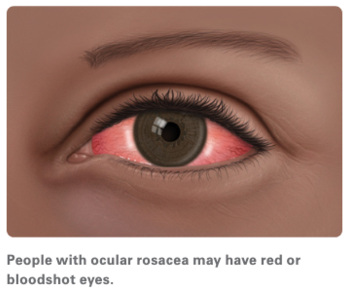
Rosacea
Rosacea is an ongoing (chronic) skin disease that causes your face to flush red. If your eyes are affected, they can be red and watery, and feel irritated and painful. Treating the eye symptoms of rosacea may include using steroid eye drops and ointments to reduce redness and swelling. Antibiotics might

Uveitis
Scleritis
Scleritis is inflammation (redness, swelling, pain) of the white part of the eye. Scleritis is often linked to an autoimmune disease and can lead to vision loss. It needs to be treated as soon as it is diagnosed. Treatment includes pills for inflammation or pain, immunosuppressive drugs, antibiotics

General
Seeing Well
Older adults are more likely to develop certain eye problems that steal vision. Regular eye exams with an ophthalmologist are important to detect, manage, or treat these problems. People age 65 and older should have eye exams every 1–2 years, or as recommended by an ophthalmologist. At any age, if

Contact Us Today
Please do not submit any Protected Health Information (PHI).
Monday
8:00 am am - 5:00 am pm
Tuesday
8:00 am am - 5:00 am pm
Wednesday
8:00 am am - 5:00 am pm
Thursday
8:00 am am - 5:00 am pm
Friday
8:00 am am - 5:00 am pm
Saturday
Closed
Sunday
Closed
Office Hours
Monday
8:00 am am - 5:00 am pm
Tuesday
8:00 am am - 5:00 am pm
8:00 am am - 5:00 am pm
Wednesday
Thuirsday
8:00 am am - 5:00 am pm
8:00 am am - 5:00 am pm
Friday
Closed
Saturday
Closed
Sunday
(954) 488-2020