
Viewing 97 - 102 out of 154
Patient Education

Glaucoma
Miotics for Glaucoma
Your ophthalmologist has recommended you use a type of medicine called a miotic. This kind of medicine is helpful in treating glaucoma. Glaucoma is a disease that affects your eye’s optic nerve, possibly leading to blindness. The optic nerve connects your eye to your brain so you can see. Glaucoma
Cancer
MOHs Surgery
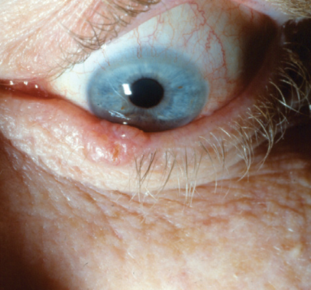
Mohs surgery is done to remove basal cell and squamous cell cancers on the eyelid or around the eyes. You will be awake during the surgery. But your eye will be numbed so you can’t feel anything and your doctor can give you medicine to help you relax. Your surgeon tries to remove only the tissue that

Neuro-ophthalmology
Myasthenia Gravis
Myasthenia gravis is a disorder that causes muscles to weaken and tire easily. The disorder can affect muscles that control eye and eyelid movement. The disease can affect the muscles of the face, eyes, arms, and legs. It can also affect the muscles used for chewing, swallowing, talking, and breathing.
Comprehensive
Nearsightedness
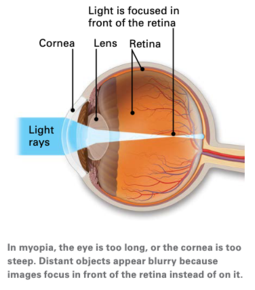
Nearsightedness is when close-up objects look clear but distant objects are blurry. Nearsightedness is a common eye focusing disorder. The nearsighted eye is too long or too steeply curved. Light then falls short of the retina causing blurry vision. Other symptoms include squinting, eye strain, or difficulty
Cancer
Nevus
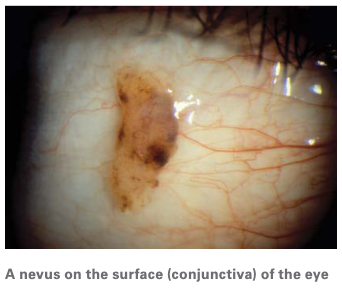
A nevus is a common, colored growth in your eye, similar to a mole on your skin. An eye nevus is usually harmless. However, it needs to be watched regularly because, like a skin mole, it could possibly develop into cancer of the eye. You should have a nevus checked by an ophthalmologist every year throughout

Neuro-ophthalmology
Nystagmus
Nystagmus is when the eyes move rapidly and it cannot be controlled. Eyes can move side to side, up and down, or in a circular motion. There are two types of nystagmus: congenital and acquired. Congenital nystagmus starts in infancy. Acquired nystagmus happens later in life. Some cases of acquired nystagmus

Contact Us Today
Please do not submit any Protected Health Information (PHI).
Monday
8:00 am am - 5:00 am pm
Tuesday
8:00 am am - 5:00 am pm
Wednesday
8:00 am am - 5:00 am pm
Thursday
8:00 am am - 5:00 am pm
Friday
8:00 am am - 5:00 am pm
Saturday
Closed
Sunday
Closed
Office Hours
Monday
8:00 am am - 5:00 am pm
Tuesday
8:00 am am - 5:00 am pm
8:00 am am - 5:00 am pm
Wednesday
Thuirsday
8:00 am am - 5:00 am pm
8:00 am am - 5:00 am pm
Friday
Closed
Saturday
Closed
Sunday
(954) 488-2020