
Viewing 1 - 6 out of 12
Patient Education

Comprehensive
Astigmatism
To understand astigmatism, it is helpful to think of the normal eye as evenly rounded, like a basketball. With astigmatism, the eye is egg- or oval-shaped like an American football. There are two basic types of astigmatism: horizontal astigmatism (when the eye is wider than it is tall), and vertical
Comprehensive
Black Eye
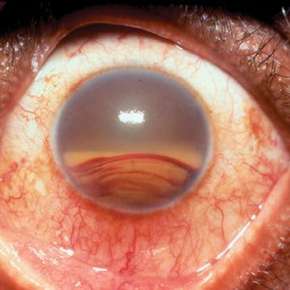
Black eye is a phrase used to describe bruising around the eye due to an injury to the face or the head. Blood and other fluids collect in the space around the eye, causing swelling and dark bruising in the tissue. When there is trauma or injury to the face, the skin around the eye — which is very

Comprehensive
Color Blindness
Color blindness occurs when you are unable to see colors in a normal way. Color blindness often happens when someone cannot distinguish between certain colors. This usually happens between greens and reds, and occasionally blues. Color blindness can happen when one or more of the color cone cells are

Comprehensive
Contact Lenses
Millions of people choose to wear contact lenses, rather than eyeglasses, to correct vision problems. There are many different types of lenses available to help correct refractive errors. It is important to remember that contacts are not fashion accessories or cosmetics. They are medical devices that

Comprehensive
Digital Devices
Blue light is part of the visible light spectrum. While excessive exposure to blue light from the sun without sunglasses can be harmful, the small amount of blue light from computers does not damage the eye. There is no need to spend money on special blue light blocking eyeglasses. Instead, take short

Comprehensive
Dilating Eye Drops
Your eye doctor will put a small amount of dilating eye drops into each of your eyes. It usually takes about 20 to 30 minutes for your pupils to fully open. Light-colored eyes (such as blue, green or hazel) will dilate faster than brown eyes. While your eyes are dilated, your vision will be blurry. You

Contact Us Today
Please do not submit any Protected Health Information (PHI).
Monday
8:00 am am - 5:00 am pm
Tuesday
8:00 am am - 5:00 am pm
Wednesday
8:00 am am - 5:00 am pm
Thursday
8:00 am am - 5:00 am pm
Friday
8:00 am am - 5:00 am pm
Saturday
Closed
Sunday
Closed
Office Hours
Monday
8:00 am am - 5:00 am pm
Tuesday
8:00 am am - 5:00 am pm
8:00 am am - 5:00 am pm
Wednesday
Thuirsday
8:00 am am - 5:00 am pm
8:00 am am - 5:00 am pm
Friday
Closed
Saturday
Closed
Sunday
(954) 488-2020