
Viewing 31 - 36 out of 39
Patient Education
Retina and Vitreous
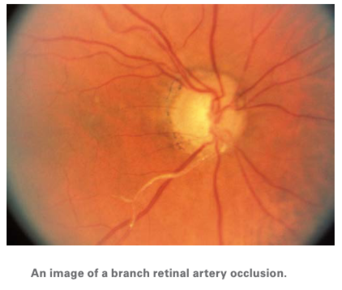
Retinal Artery Occlusion
A retinal artery occlusion (RAO) happens when there is a blockage of blood flow to the retina in the back of the eye. Symptoms include sudden vision loss, distorted vision or blind spots in your vision. Certain health conditions like diabetes and high blood pressure increase your risk for having an RAO. If

Retina and Vitreous
Retinal Vein Occlusion
Retinal vein occlusion is when a vein in your retina is blocked. This causes blurry vision or vision loss. It is treated with medication injections or laser surgery. Taking care of health problems like diabetes and high blood pressure can help prevent this eye condition. If you have any questions about

Retina and Vitreous
Retinitis Pigmentosa
Retinitis pigmentosa (RP) describes a group of eye problems that affect how your eye sees light. There is treatment for RP due to RPE65 genetic defect. Research is ongoing for other forms of RP. See your ophthalmologist to get appropriate genetics testing. People with low vision from RP can learn to

Retina and Vitreous
Retinopathy of Prematurity (ROP)
Retinopathy of prematurity (ROP) is an eye disease in some premature babies. It causes unwanted blood vessels to grow on the baby’s retina. These blood vessels can cause serious eye and vision problems later. An ophthalmologist can look for ROP in premature infants, though it may not be found until

Retina and Vitreous
Stargardt Disease
Stargardt disease is an inherited eye disease. It is a form of juvenile macular dystrophy that develops in children, teenagers and young adults. The disease causes blurry central vision, and makes colors appear less bright. While Stargardt disease cannot be treated and cured currently, there are several

Retina and Vitreous
Torn Retina
A torn retina is when you have a hole or tear in your retina, like a rip in a piece of cloth. This is a serious problem that must be treated right away. Symptoms include seeing a lot of floaters and flashes suddenly, as well as vision loss. It is treated with surgery. If you have any questions about

Contact Us Today
Please do not submit any Protected Health Information (PHI).
Monday
8:00 am am - 5:00 am pm
Tuesday
8:00 am am - 5:00 am pm
Wednesday
8:00 am am - 5:00 am pm
Thursday
8:00 am am - 5:00 am pm
Friday
8:00 am am - 5:00 am pm
Saturday
Closed
Sunday
Closed
Office Hours
Monday
8:00 am am - 5:00 am pm
Tuesday
8:00 am am - 5:00 am pm
8:00 am am - 5:00 am pm
Wednesday
Thuirsday
8:00 am am - 5:00 am pm
8:00 am am - 5:00 am pm
Friday
Closed
Saturday
Closed
Sunday
(954) 488-2020