
Viewing 7 - 10 out of 10
Patient Education

Neuro-ophthalmology
Microvascular Cranial Nerve Palsy (MCNP)
Microvascular Cranial Nerve Palsy (MCNP) is when there is a blockage in blood flow to nerves in your head. As a result, muscles that move your eyes do not work properly. You have trouble moving your eyes a certain way, and you have double vision. Sometimes you have blurry vision or a droopy eyelid. MCNP

Neuro-ophthalmology
Myasthenia Gravis
Myasthenia gravis is a disorder that causes muscles to weaken and tire easily. The disorder can affect muscles that control eye and eyelid movement. The disease can affect the muscles of the face, eyes, arms, and legs. It can also affect the muscles used for chewing, swallowing, talking, and breathing.

Neuro-ophthalmology
Nystagmus
Nystagmus is when the eyes move rapidly and it cannot be controlled. Eyes can move side to side, up and down, or in a circular motion. There are two types of nystagmus: congenital and acquired. Congenital nystagmus starts in infancy. Acquired nystagmus happens later in life. Some cases of acquired nystagmus
Neuro-ophthalmology
Optic Neuritis
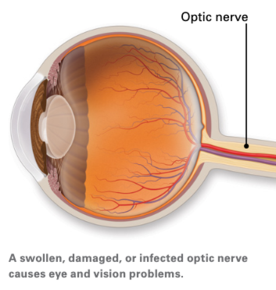
Optic neuritis is swelling of your optic nerve, the nerve that connects your eye to your brain. Symptoms include blurry or dim vision, colors appearing faded, pain in your eye socket and pain when you move your eyes. People who have had mumps, measles, flu or multiple sclerosis are more likely to get

Contact Us Today
Please do not submit any Protected Health Information (PHI).
Monday
8:00 am am - 5:00 am pm
Tuesday
8:00 am am - 5:00 am pm
Wednesday
8:00 am am - 5:00 am pm
Thursday
8:00 am am - 5:00 am pm
Friday
8:00 am am - 5:00 am pm
Saturday
Closed
Sunday
Closed
Office Hours
Monday
8:00 am am - 5:00 am pm
Tuesday
8:00 am am - 5:00 am pm
8:00 am am - 5:00 am pm
Wednesday
Thuirsday
8:00 am am - 5:00 am pm
8:00 am am - 5:00 am pm
Friday
Closed
Saturday
Closed
Sunday
(954) 488-2020