
Viewing 13 - 17 out of 17
Patient Education
General
Punctal Plugs
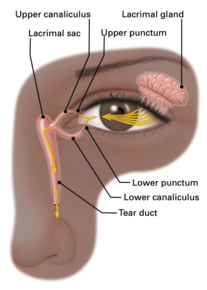
Punctal plugs are tiny devices placed in the eye’s tear duct. By blocking your tear ducts, the plugs help your eyes retain more of their natural tears. This keeps the eye’s surface moist and helps treat dry eye. There are different types of punctal plugs. Some are temporary and are absorbed by the

General
Seeing Well
Older adults are more likely to develop certain eye problems that steal vision. Regular eye exams with an ophthalmologist are important to detect, manage, or treat these problems. People age 65 and older should have eye exams every 1–2 years, or as recommended by an ophthalmologist. At any age, if

General
Smoking and Eye Disease
Smoking tobacco (cigarettes, cigars or pipes) can make eye problems worse. Glaucoma, cataracts, macular degeneration and dry eye are some of these problems. Also, a baby’s eyes can be affected if the mother smokes during pregnancy. Quitting smoking can help save your vision.

General
Vitamin A Deficiency
People get vitamin A deficiency when they do not eat a balanced diet with enough vitamin A. If you have vitamin A deficiency, you may have trouble seeing at night (night blindness). If untreated, it can lead to corneal ulcers and permanent blindness. Vitamin A deficiency is treated with vitamin A supplements. If

General
What is an Ophthalmologist?
An ophthalmologist is the only medical doctor who can take complete care of your eyes. They are trained and licensed to diagnose and treat all eye diseases and conditions. From basic eye exams to complex surgery, ophthalmologists provide everything you need for healthy vision How are ophthalmologists

Contact Us Today
Please do not submit any Protected Health Information (PHI).
Monday
8:00 am am - 5:00 am pm
Tuesday
8:00 am am - 5:00 am pm
Wednesday
8:00 am am - 5:00 am pm
Thursday
8:00 am am - 5:00 am pm
Friday
8:00 am am - 5:00 am pm
Saturday
Closed
Sunday
Closed
Office Hours
Monday
8:00 am am - 5:00 am pm
Tuesday
8:00 am am - 5:00 am pm
8:00 am am - 5:00 am pm
Wednesday
Thuirsday
8:00 am am - 5:00 am pm
8:00 am am - 5:00 am pm
Friday
Closed
Saturday
Closed
Sunday
(954) 488-2020