
Viewing 1 - 6 out of 17
Patient Education
General
Eye Allergies
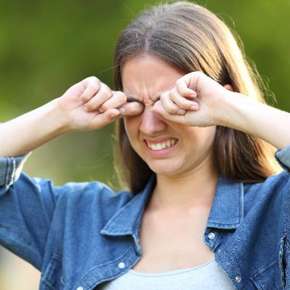
Eye allergies are quite common. They occur when the eyes react to something that irritates them. Common irritants include pollen, dust, pet dander, mold and smoke. Your eyelids and conjunctiva become red, swollen and itchy. The eyes can tear and burn. Eye allergies are usually easy to diagnose. The key

General
Eye Drops
Eye drops are a liquid you apply to the surface of your eye. They are often used to treat eye pain, discomfort, infection or disease. There are many kinds of eye drops, from over-the-counter products to those you need a prescription to buy. There are specific steps to follow to put eye drops in safely

General
Headache
Headache, or pain in any part of your head, is very common. Most of the time, it is not serious. They are often triggered by things like stress, certain foods, alcohol or being tired. There are many different kinds of headaches, including tension, cluster and migraine headaches. All of these can be treated

General
Hemangioma
A hemangioma is a non-cancerous tumor caused by abnormal growth of blood vessels. Hemangiomas can occur anywhere on the body, but are most commonly found on the face and neck. Hemangiomas can be on the eyelids, the surface of the eye, or in the eye socket. When that happens, the hemangioma may interfere

General
HIV AIDS and the Eye
HIV stands for human immunodeficiency virus. This virus causes the body’s immune system to break down. AIDS stands for acquired immune deficiency syndrome. HIV causes AIDS. Someone has AIDS when their immune system is no longer able to keep them healthy. People with HIV who are otherwise in good health

General
Hyphema
A hyphema is when blood collects inside the front of the eye. Hyphema is usually caused by an injury to the eye. Sometimes, though, it can be caused by other problems. Hyphema signs and symptoms include bleeding in the front of the eye, eye pain, sensitivity to light, and blurry, clouded or blocked vision.

Contact Us Today
Please do not submit any Protected Health Information (PHI).
Monday
8:00 am am - 5:00 am pm
Tuesday
8:00 am am - 5:00 am pm
Wednesday
8:00 am am - 5:00 am pm
Thursday
8:00 am am - 5:00 am pm
Friday
8:00 am am - 5:00 am pm
Saturday
Closed
Sunday
Closed
Office Hours
Monday
8:00 am am - 5:00 am pm
Tuesday
8:00 am am - 5:00 am pm
8:00 am am - 5:00 am pm
Wednesday
Thuirsday
8:00 am am - 5:00 am pm
8:00 am am - 5:00 am pm
Friday
Closed
Saturday
Closed
Sunday
(954) 488-2020